Decision Making Is Not a Skill You Can Isolate
Why perception-action coupling and representative design matter more than isolated repetition in football development
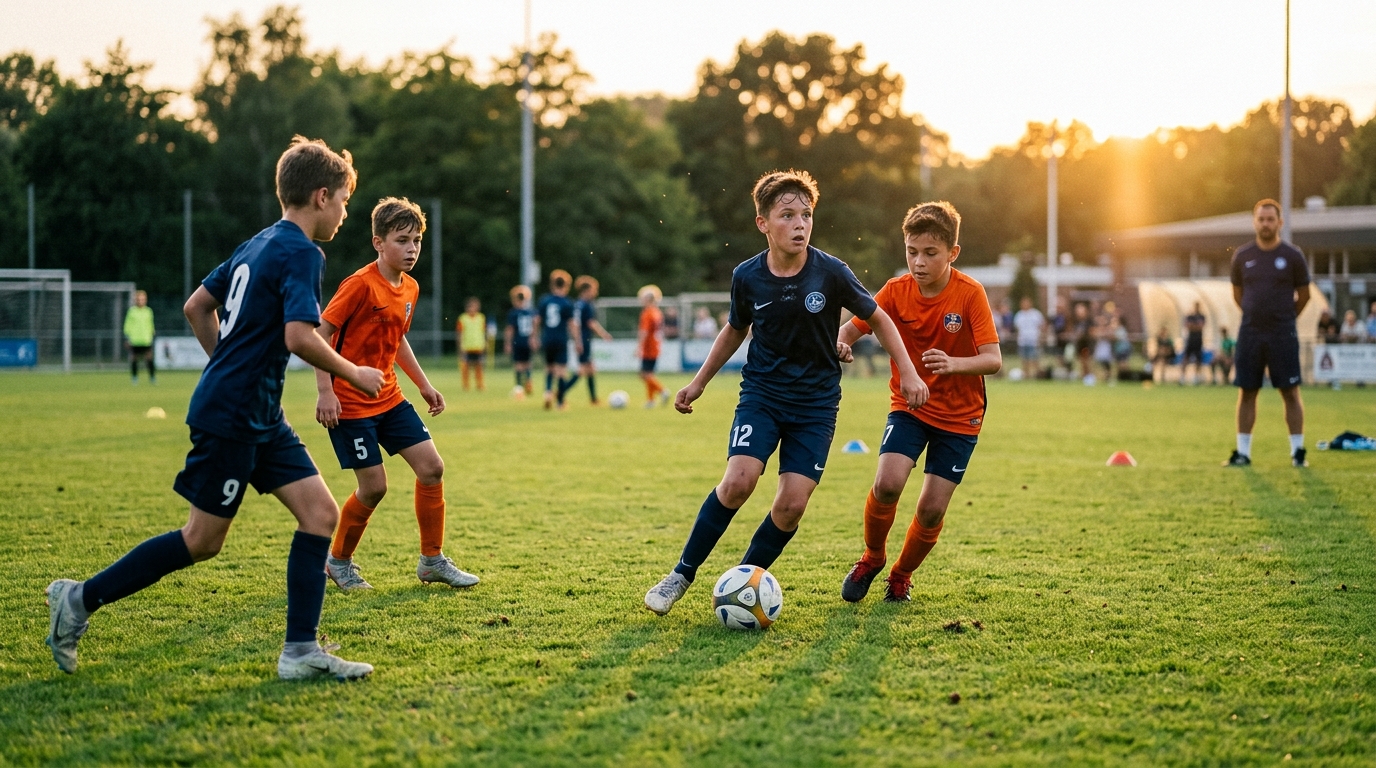
A footballer receives the ball. An opponent is approaching, a teammate is making a run and space is opening up on the opposite side. Within seconds, the player has to understand the situation and decide what to do. Should they pass, dribble, turn or protect the ball?
Decision making is one of the most important aspects of football, yet it is also one of the most difficult abilities to develop. Unlike passing accuracy or shooting technique, it does not exist independently of the situation in which a player finds themselves.
Perception Comes Before Action
Before making a decision, a player needs to gather information about their surroundings. They need to recognise the position of opponents, identify available teammates, assess space and understand how the situation is changing. This is where perception becomes important.
Consider a player receiving the ball with an opponent approaching from behind. If they have already scanned their surroundings, they might know that a teammate is available on their left. Without that information, they could take an unnecessary touch or miss an opportunity to progress the attack.
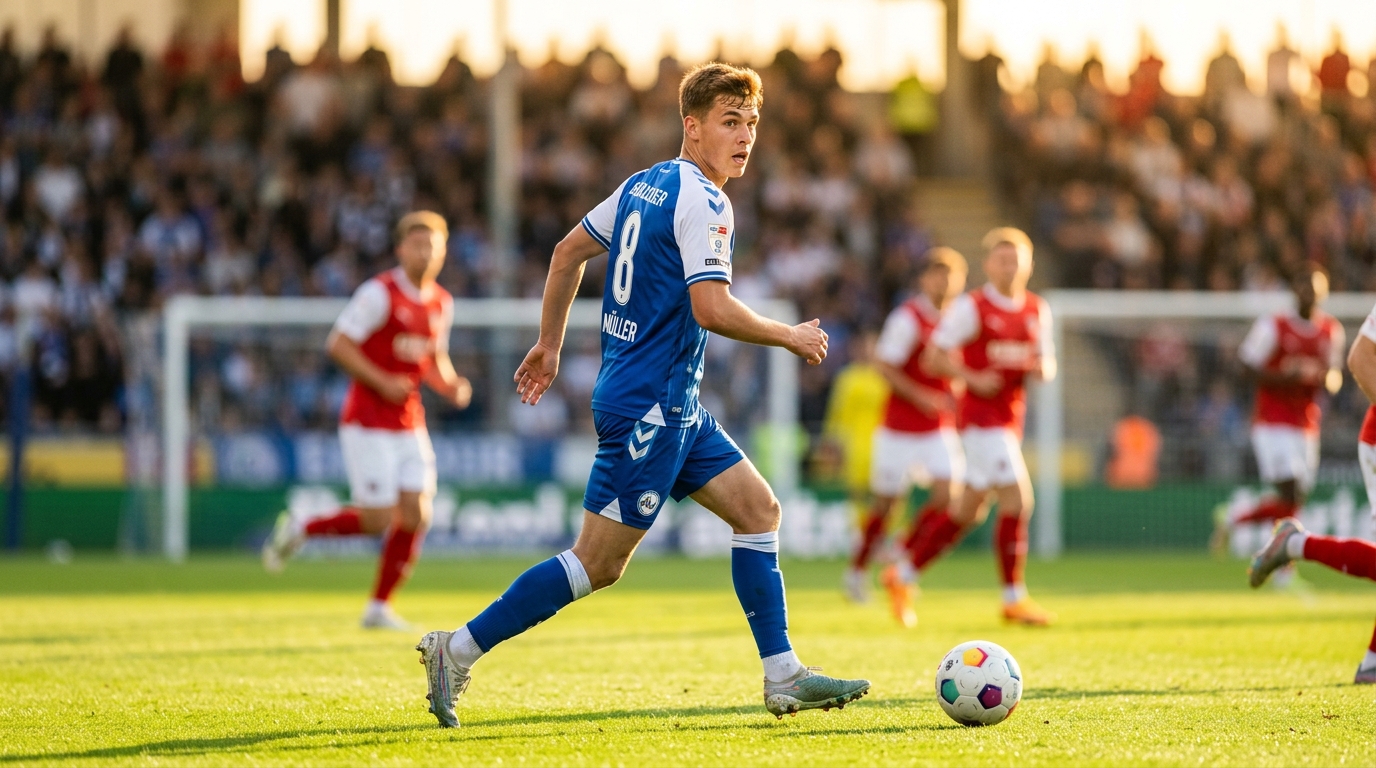
However, perception is not simply about looking around. It is about identifying relevant information and using it to guide an action. Ecological dynamics explores this relationship through the concept of perception-action coupling. In simple terms, players continuously interact with their environment, using information from the game to guide their movements and decisions. Their actions also change the environment, creating new opportunities and challenges. Decision making is therefore not something that happens separately from playing football. It develops through interaction with the game.
“Decision making is not something that happens separately from playing football. It develops through interaction with the game.”
Why Isolated Practice Has Limitations
Consider a passing drill where two players stand opposite each other and exchange passes. It can be useful for improving passing technique and accuracy. But does it teach a player when to pass, where to pass or whether passing is even the best option? There is no opponent applying pressure, no teammate making an unexpected movement and no changing space to interpret. The player already knows what is expected of them.
This does not make isolated exercises useless. They have their place, particularly when introducing or improving a technical action. However, performing a technique successfully in a predictable environment does not necessarily mean a player can use it effectively in a match. The challenge is to connect technical development with the situations in which those techniques are required.
Training Should Resemble the Game
This is where representative learning design becomes important. The idea is to create training activities that preserve the relevant information and interactions players encounter during competition. A simple 3v3 game, for example, can provide opportunities to practise passing, dribbling, receiving and supporting teammates. More importantly, players must recognise when each action is appropriate.
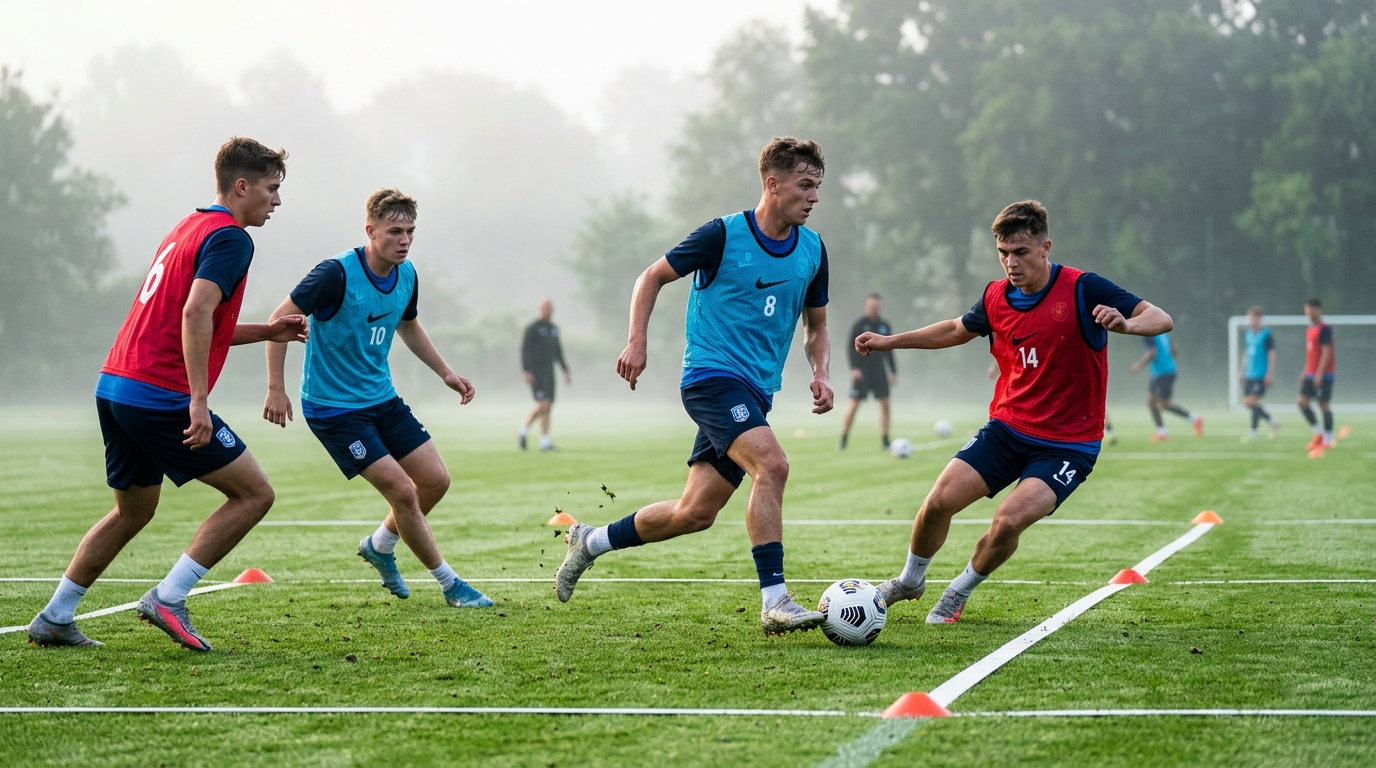
Coaches can adjust the playing area, introduce conditions or change the number of players to encourage particular behaviours. A smaller area might increase pressure and encourage quicker decisions, while a wider area could create opportunities to exploit space and switch play.
The objective is not to make every activity complicated but to give players meaningful problems to solve.
The Coach's Role
Designing the right activity is only part of the process. How coaches intervene also matters. If we stop every activity to explain exactly what a player should have done, we risk making them dependent on our instructions. Instead, we can encourage reflection through questions. Why did you choose to pass? What did you notice before receiving the ball? Was there space to turn? These questions help players connect what they perceive with the actions they choose.
Mistakes are also valuable learning opportunities. A player who attempts to dribble past an opponent and loses possession has made a decision. We should help them understand whether that decision was appropriate rather than judging it solely by the outcome.
From Training to Match Day
Ultimately, the purpose of developing decision making is to help players use their understanding in competitive situations. We should observe whether they are scanning before receiving, recognising pressure, finding supporting teammates and choosing appropriate actions. More importantly, we should see whether these behaviours transfer into matches, where situations are less predictable.
There is no single drill that can turn a young player into an excellent decision maker. What we can do is create environments that give them regular opportunities to perceive, act, adapt and learn.
“There is no single drill that can turn a young player into an excellent decision maker. What we can do is create environments that give them regular opportunities to perceive, act, adapt and learn.”