Beyond Training: Why Young Players Need to Compete Regularly
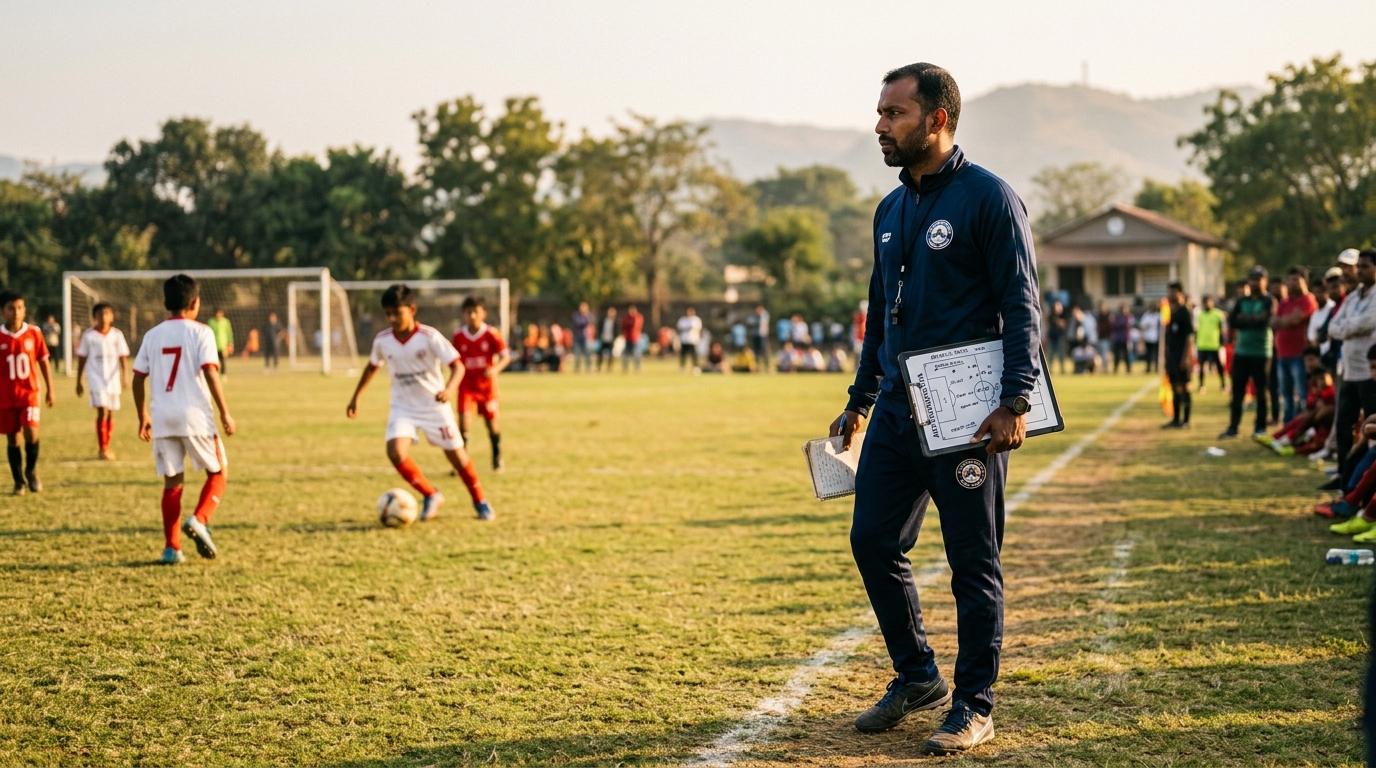
The training ground is where players learn, but matches challenge them to put that learning into practice.
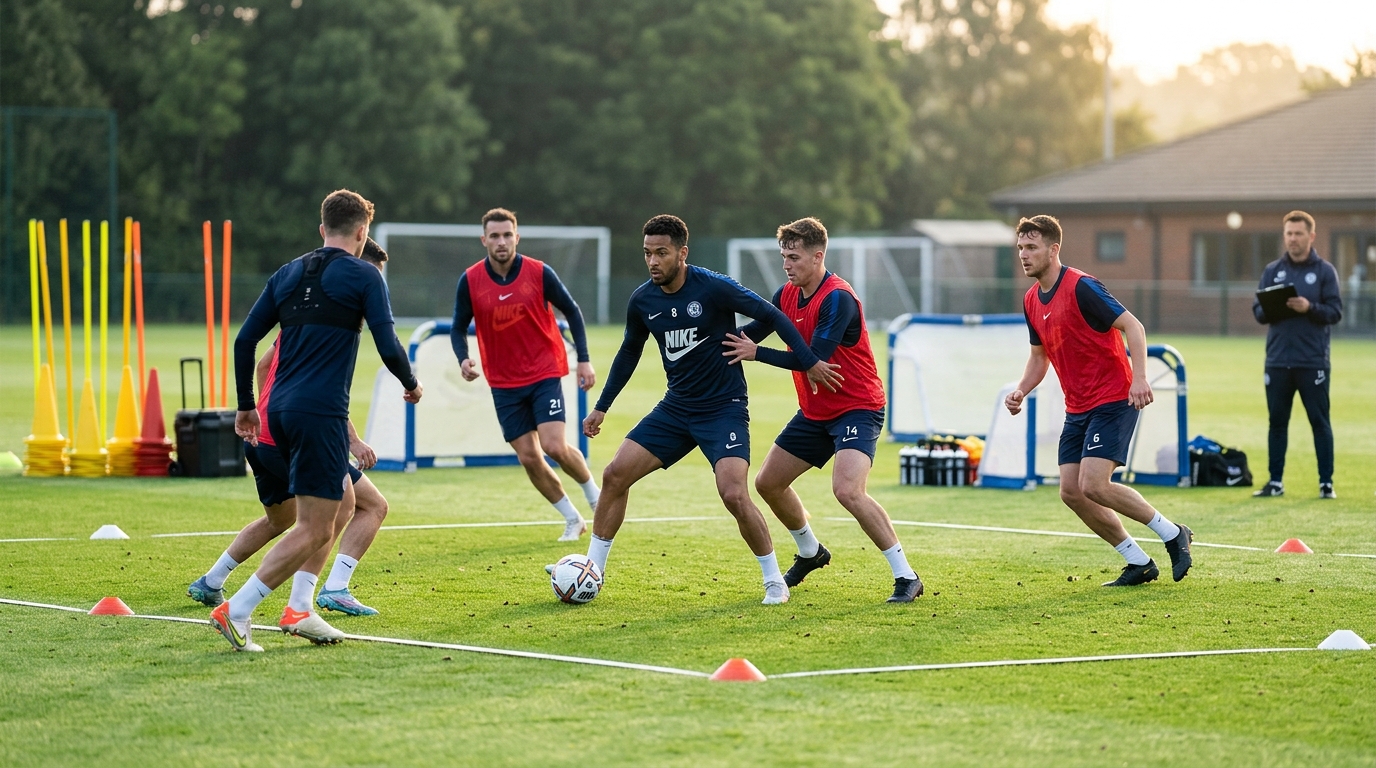
Football training has become increasingly structured, with coaches planning sessions around technical skills, tactical principles and physical development. Young players spend hours practising passing, receiving, dribbling and finishing. Yet one important question often gets overlooked — how many opportunities do they get to actually compete?
Training is essential, but it cannot replicate everything that happens in a match. A player might execute a perfect pass in a drill, only to struggle when an opponent presses them from behind. Someone who looks confident while dribbling in training might hesitate when faced with a defender and a split second to make a decision.
Players do not simply need to learn football. They need opportunities to experience it.
The Game Teaches What Drills Cannot
During training, coaches can create situations that encourage specific behaviours. We can work on playing out from the back, finding space between the lines or pressing as a team. However, matches introduce unpredictability that is difficult to reproduce consistently in training.
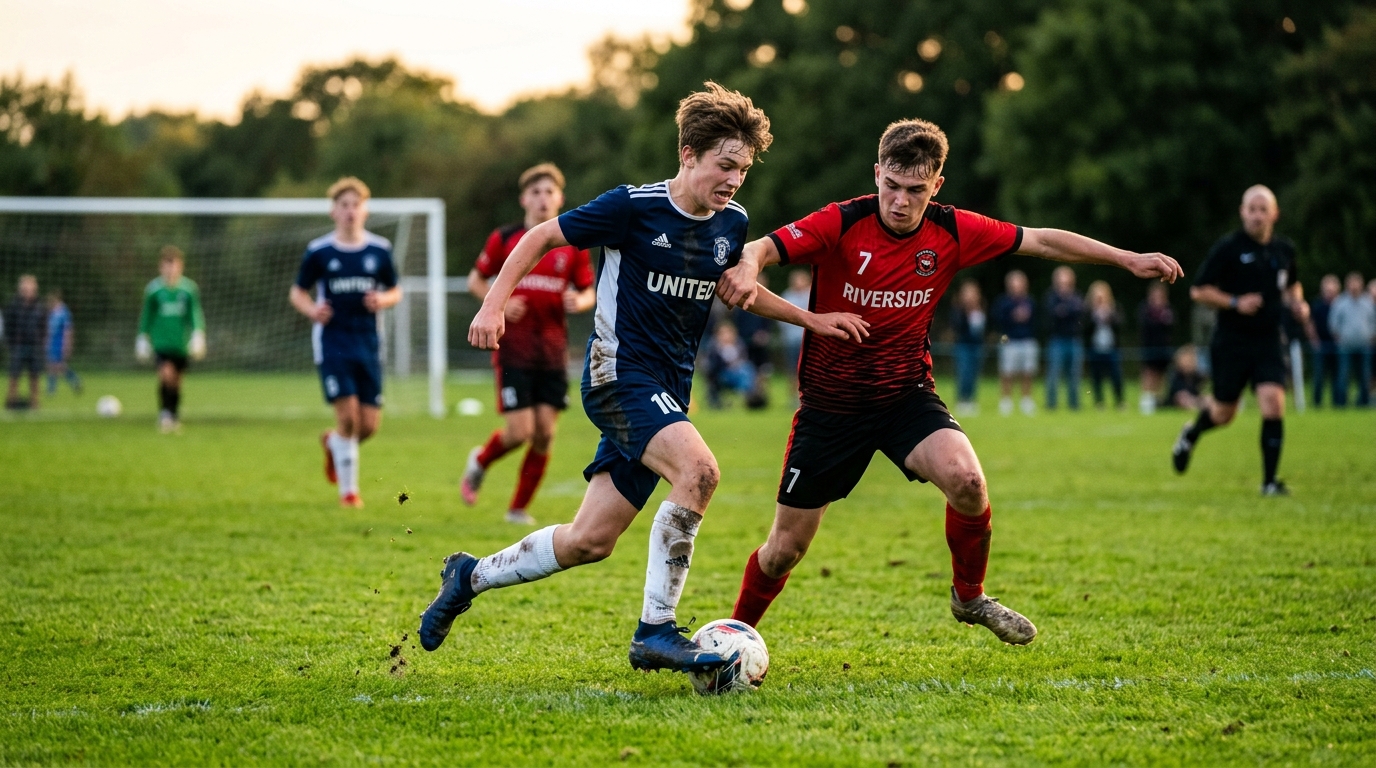
Opponents do not follow a script. They press unexpectedly, close passing lanes and exploit spaces we leave open. Players must recognise these situations and respond accordingly.
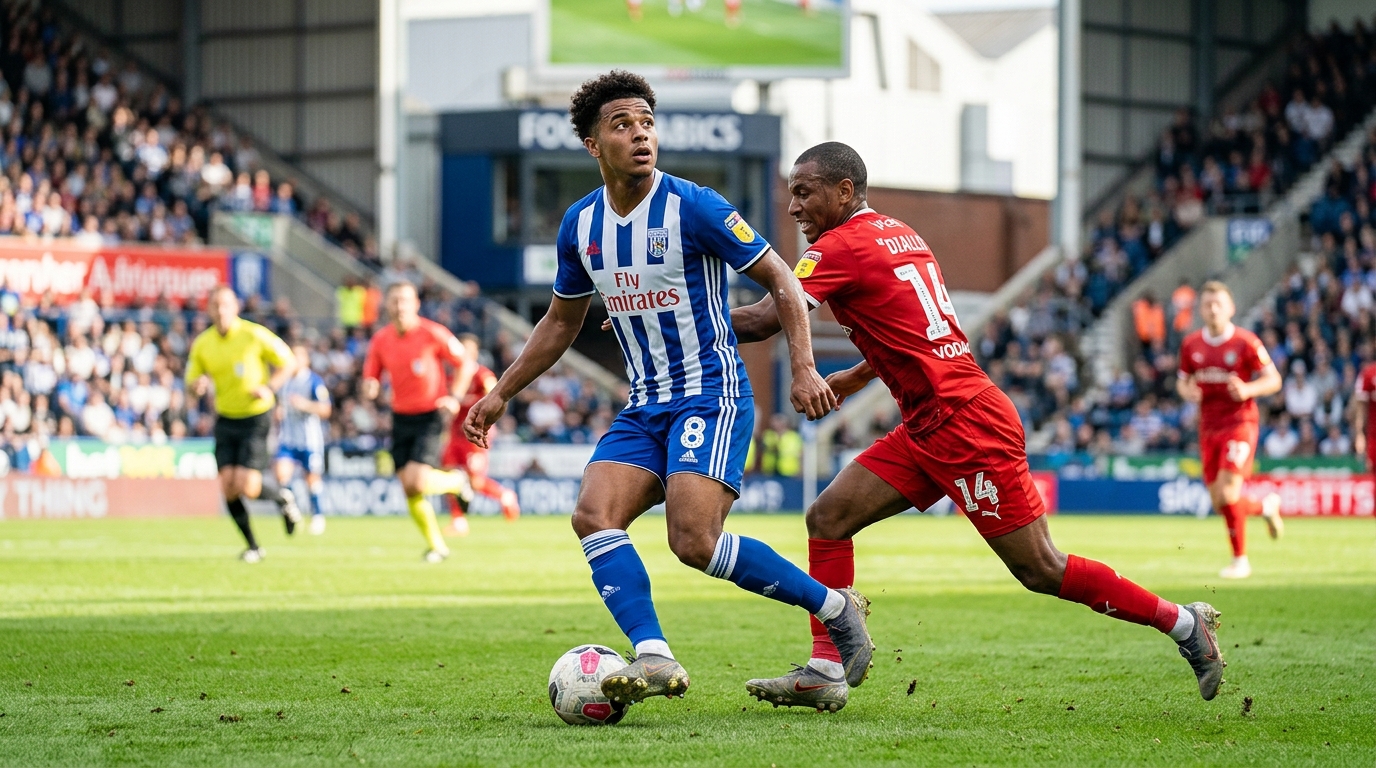
A midfielder might understand the importance of scanning before receiving the ball, but does that habit remain when an opponent is closing them down? A defender might know how to maintain a compact shape, but can they recognise when to step forward and when to drop back during a quick transition?
Matches require players to make decisions under pressure, often with incomplete information. They must assess situations, anticipate what might happen next and accept the consequences of their choices. Over time, these experiences help them become more independent players who can solve problems without constantly waiting for instructions from the sidelines.
“Opponents do not follow a script. They press unexpectedly, close passing lanes and exploit spaces we leave open. Matches require players to make decisions under pressure, often with incomplete information.”
Learning to Deal with Failure
Competition exposes weaknesses that might remain hidden during training. A player who regularly succeeds against familiar teammates may struggle against stronger opponents. A team that dominates possession in training games might find itself unable to build from the back against an organised press.
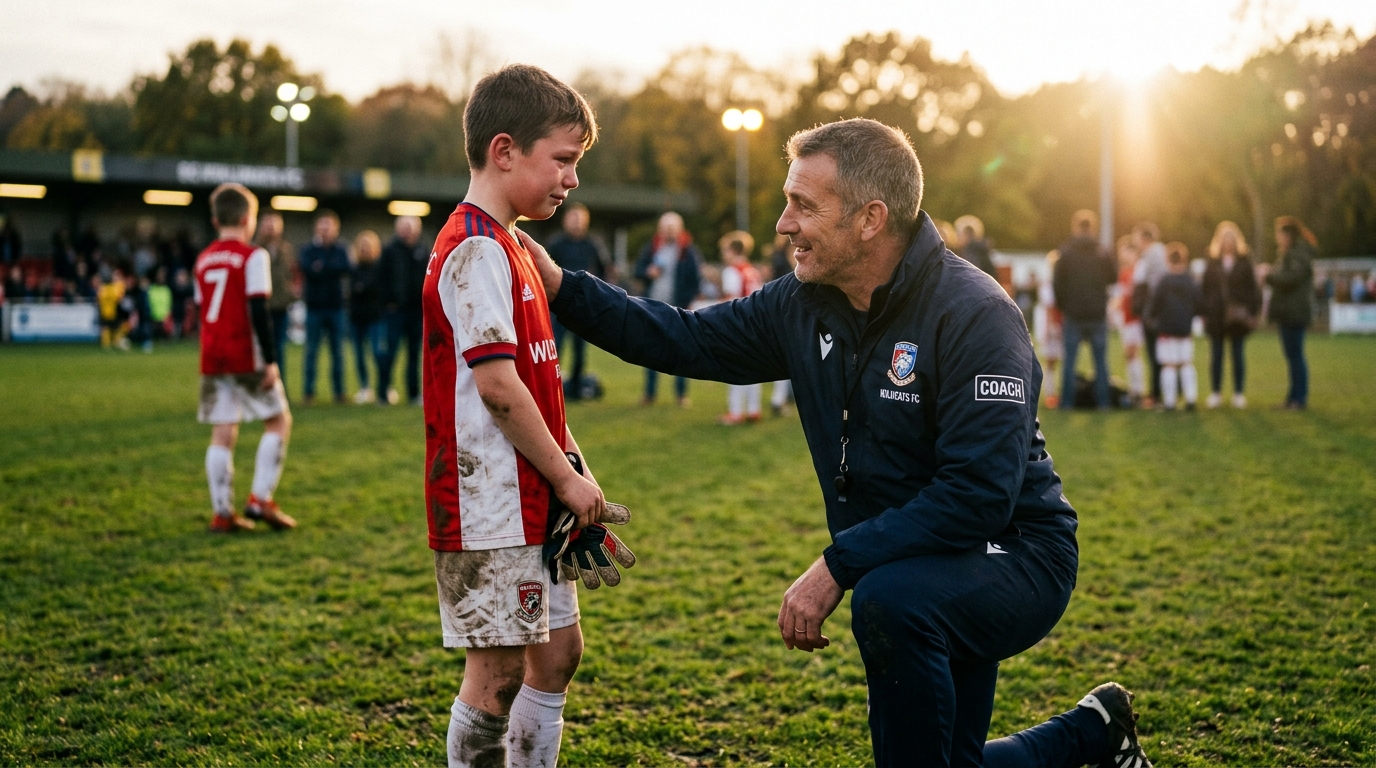
These experiences can be uncomfortable, particularly for young players who are not accustomed to losing. However, they also provide valuable learning opportunities. A match has value not only because of the result, but also because of what players discover about themselves and their game.
Different Opponents, Different Lessons
Regular competition exposes players to different styles of football. Some opponents press aggressively, while others sit deep and defend. Certain teams might dominate physically, forcing players to rely on quicker combinations and better movement. Against another opponent, the challenge might be breaking down a compact defence or protecting a lead. Each situation asks different questions of the player.
Repeatedly playing against the same opponents creates familiarity, but it can also limit the range of problems players encounter. A wider pool of opponents encourages adaptation. Players begin recognising patterns, understanding their strengths and weaknesses, and discovering that the same solution does not work in every situation.
Competition also teaches them to compete as a team. Communication, emotional control, responsibility and trust become especially important when things are not going according to plan. Learning to respond after a mistake, support a struggling teammate or remain focused when trailing by two goals can shape how young people approach challenges beyond football.
Competition is Part of Development
There is a tendency to treat competition as the final stage of preparation, something players enter once they have become good enough. In youth football, this approach can be counterproductive. Players need competition precisely because they are still learning.
The answer is not to play matches without purpose or abandon structured training. Coaches must prepare players, design appropriate sessions and help them reflect on their performances. Training and competition should work together, with lessons from matches informing what happens on the training ground.
A difficult match might reveal the need to improve receiving under pressure. A successful performance might show that players are beginning to recognise opportunities to switch play. Both can guide the next training session.
The cycle is straightforward: prepare, compete, reflect and improve.
Young players need this cycle repeatedly, across different opponents and situations, throughout their development. Without it, training risks becoming an exercise in practising football without experiencing enough of the game itself. Ultimately, we should not ask only whether our players are training well. We should also ask whether they have enough opportunities to test themselves, make mistakes, adapt and discover what they can do.
“Development does not happen only on the training ground. Sometimes, the most important lesson begins when the whistle blows, the opposition starts pressing and the players have to find their own answers.”