Training That Transfers: Building Habits and Behaviours for Matches
The purpose of training is not simply to help players perform well in practice. It is to prepare them to make the right decisions when the game demands it.
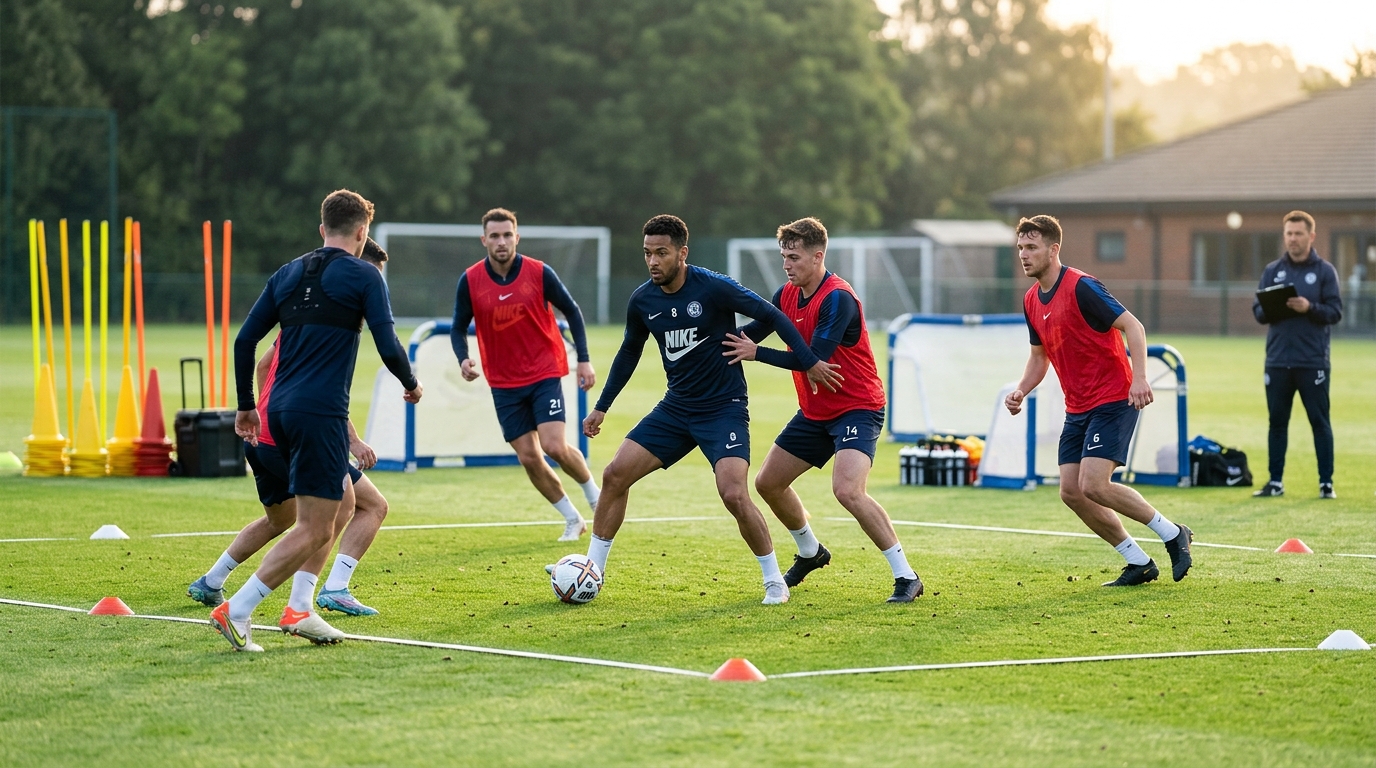
One thing I have been thinking about more as a coach is how much of what players do during training actually transfers to matches. A player might execute a passing drill perfectly, complete every repetition and look comfortable on the ball. Yet, when the same player enters a match, they might struggle to find a passing option, take too many touches or fail to recognise the space around them.
Why does this happen?
Part of the answer lies in the difference between practising a technique and learning to use it in a game. Football is unpredictable. Players have to process information, make decisions and execute actions while opponents are trying to stop them. If our training does not prepare them for these demands, we cannot expect everything to come together on match day. Training should not just teach players what to do. It should help them recognise when, why and how to do it.
The Problem with Practising in Isolation
Isolated drills have their place in football development. Players need to develop their technical ability, and sometimes they require focused repetition to improve a particular skill. However, technical execution alone does not guarantee that a player can apply that skill in a match.
Consider a simple passing exercise in which two players stand opposite each other and pass the ball back and forth. They can develop their passing technique, improve their first touch and become more comfortable using both feet. But in a match, a player rarely receives the ball without having to consider an opponent, available space or the next action.
The same pass that looks easy in a drill might become difficult when a defender closes down the receiver. The player now has to scan before receiving, adjust their body orientation, decide whether to turn or play backwards and execute the action before losing possession. These are additional demands that the isolated exercise has not necessarily prepared them for.
This does not mean every drill must replicate a complete match. Rather, coaches should understand what each activity is teaching and how it contributes to the situations players will eventually face.
Building Habits Through Realistic Situations
Players often make decisions in matches within fractions of a second. They cannot stop to consciously recall every instruction their coach has given them. Their actions are influenced by the habits, perceptions and decision-making abilities they have developed through experience.
This is why realistic training matters. If we want players to scan before receiving the ball, scanning should become a regular part of the activities they experience. If we want them to recognise when to dribble and when to pass, training should present them with situations where both options are available and the better choice depends on what is happening around them.
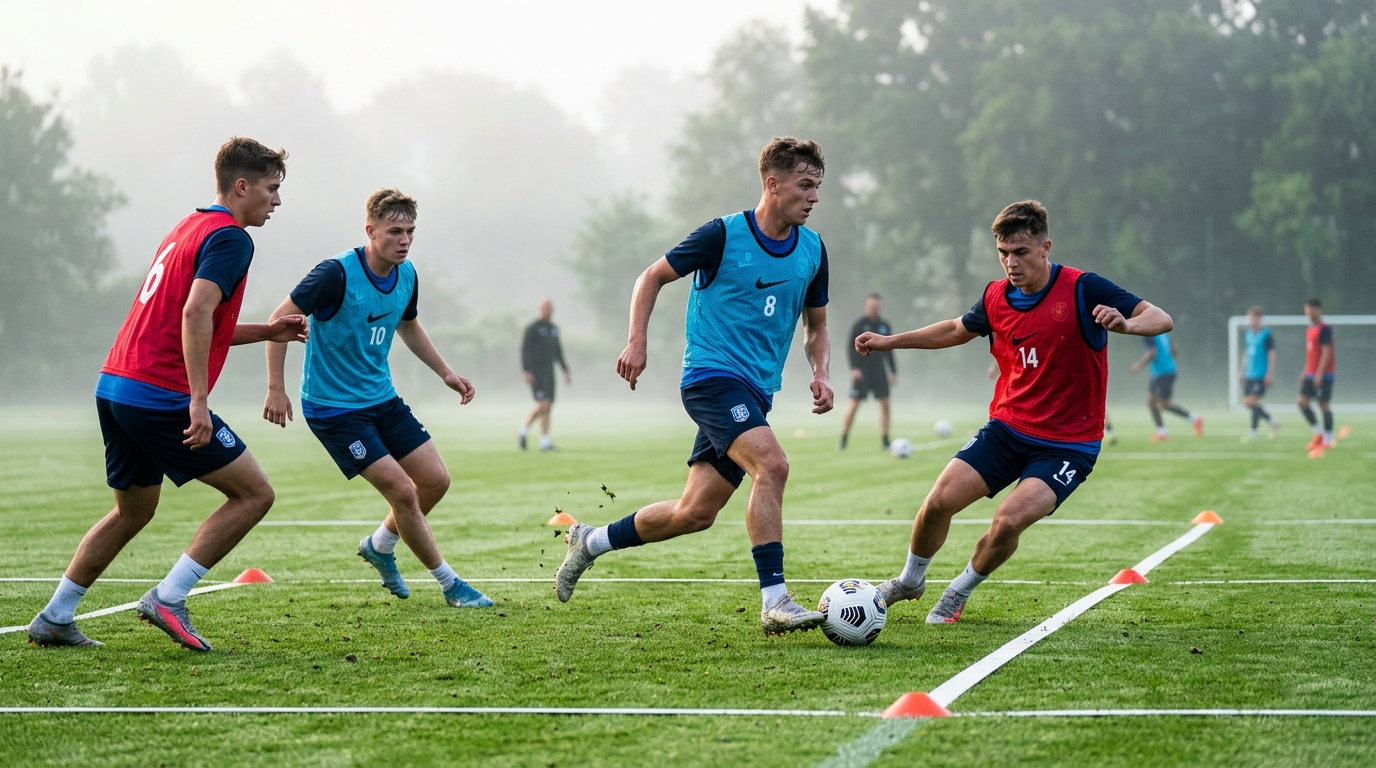
For example, rather than asking players to dribble through a predetermined sequence of cones, we can create a match realistic activity in which they face defenders and have to decide whether to take them on, combine with a teammate or move into open space. The decision becomes part of the learning process.
Similarly, if the objective is to help players build from the back, we can create a possession game that encourages them to find passing angles, use the goalkeeper and recognise when to play through or around the opposition press.
The important distinction is that players are not simply rehearsing a movement. They are learning to recognise the information that makes the movement useful. With repeated exposure to these situations, players can become quicker at identifying familiar patterns and responding appropriately. The aim is not to make every action automatic regardless of context, but to help players make good decisions without having to consciously think through every technical detail.
“Players are not simply rehearsing a movement. They are learning to recognise the information that makes the movement useful.”
Let the Game Teach the Lesson
One challenge for coaches is resisting the urge to control every moment of a training session. We sometimes stop an activity as soon as a player makes a mistake, explain what should have happened and restart the play. Although feedback is important, constantly interrupting can prevent players from experiencing the consequences of their decisions and finding solutions themselves.
If the objective is to improve support play, for example, we should create an activity where players need to move into useful positions to help the teammate in possession. We can adjust the rules, pitch dimensions or numbers to encourage the behaviour we want to develop. We can then observe whether players recognise the opportunities, intervene when necessary and allow the activity to continue when learning is taking place.
This approach also means accepting that players will make mistakes. A player might attempt to turn under pressure when a simple pass was available. Rather than immediately giving them the answer, we can ask what they saw, what other options existed and how they might respond differently next time. The objective is to develop players who can solve problems on the pitch, not simply follow instructions from the sidelines.
Realism Does Not Mean Copying the Entire Match
There is a difference between making training realistic and making every activity complicated. Young players, particularly beginners, still need time to develop basic technical skills. A poorly designed game with too many players, unclear objectives and constant interruptions can be just as ineffective as a drill that has no connection to football.
The challenge is to create activities that reflect the demands of the game while remaining appropriate for the players' abilities. Smaller pitches can encourage more frequent involvement and quicker decisions. Numerical advantages can help players practise keeping possession and finding free teammates. Larger playing areas can create opportunities to work on switching play, maintaining width and recognising spaces between defensive lines.
As players improve, the conditions can become more challenging. Opponents can press more aggressively, time and space can be reduced, and the consequences of losing possession can be made more realistic. Every activity should have a purpose, and that purpose should connect to something players will encounter during matches.
The Real Test is What Happens on Match Day
Ultimately, a successful training session is not defined by how smoothly the players complete an exercise. The more important question is whether the behaviours we are trying to develop begin appearing in matches.
Are players scanning before receiving? Are they creating passing angles without being reminded? Are they recognising when to retain possession and when to attack space? Have they started moving to support a teammate immediately after releasing the ball?
These behaviours will not emerge overnight. They require consistent practice, appropriate feedback and enough opportunities to compete. Coaches must also recognise that players can understand an idea during training and still struggle to apply it under match pressure.
“Our responsibility is to build a training environment in which players repeatedly encounter the problems they will face in football, learn to recognise them and develop the confidence to make their own decisions. The ultimate goal is for the right behaviours to become so familiar that players can apply them naturally in matches.”