Building Better Citizens Through Football
Why the greatest value of grassroots football lies in shaping character, empathy, and resilience far beyond the pitch
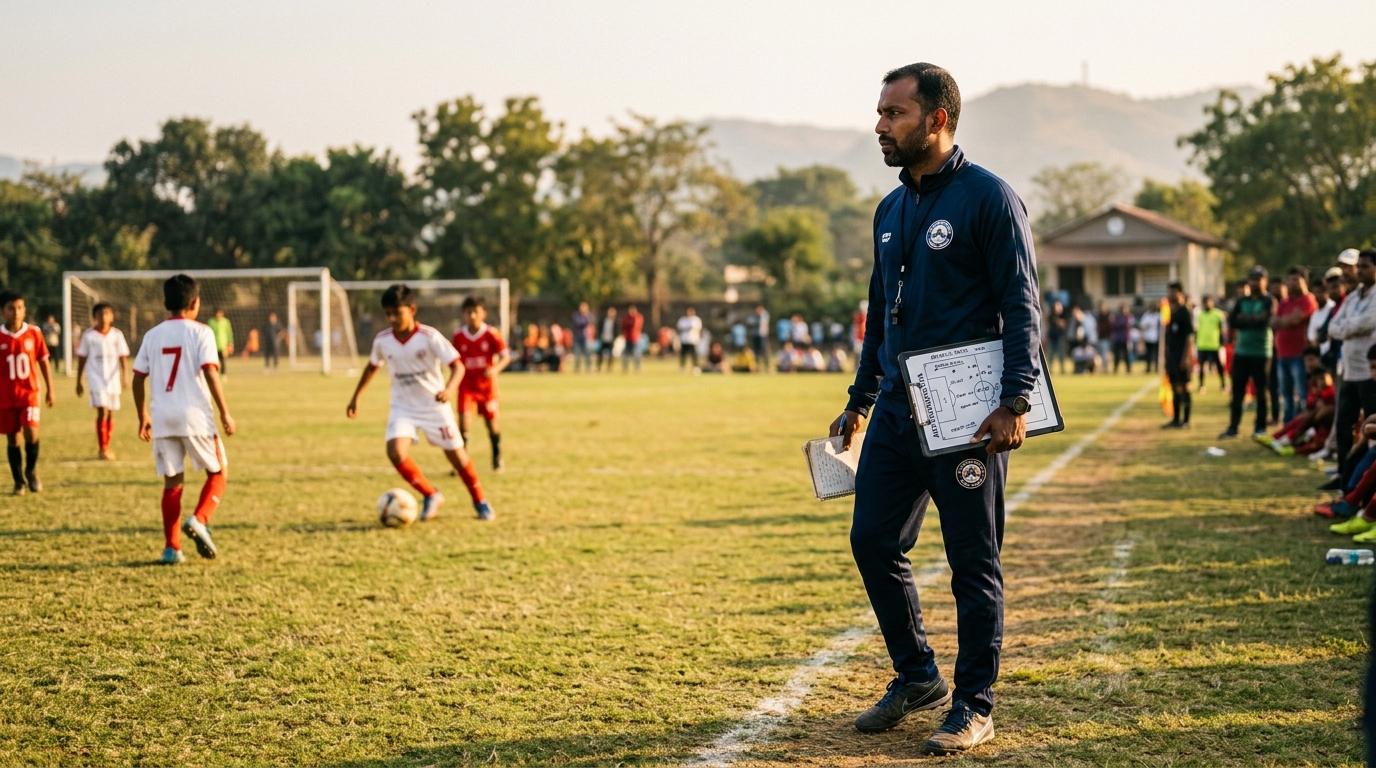
Football has a funny way of making us dream. A child joins a grassroots programme, puts on a jersey and imagines scoring the winning goal in a World Cup final. Parents hope their children might become professional footballers, and coaches spend hours helping them improve their game. There is nothing wrong with these ambitions. Every young player deserves the opportunity to pursue them.
However, the reality is that only a small proportion of children playing in grassroots football will eventually become professionals. Most will grow up to pursue different careers. Does that mean their years on the football pitch have been any less valuable?
I don't think so. In fact, I believe that one of the greatest things football can do is help build better human beings.
More Than Just Football
When a child joins a football academy, the immediate objective might be to learn how to pass, dribble, shoot and understand the game. But alongside these technical skills, children are constantly learning how to interact with the world around them.
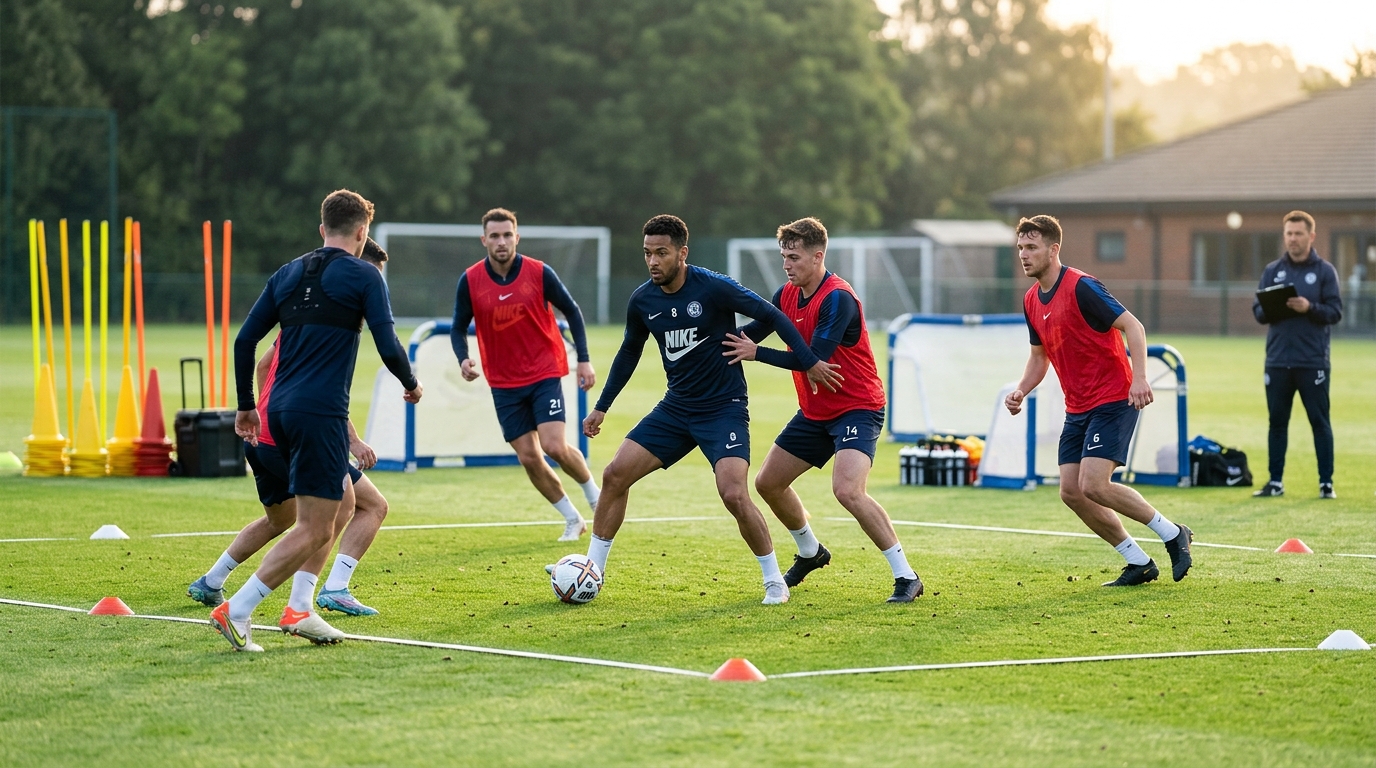
Consider a simple training session. Players have to arrive on time, listen to instructions, share equipment, cooperate with teammates and respect the people around them. They have to learn that they cannot always do things their own way, and that being part of a group sometimes means putting the collective interest ahead of their individual desires.
These might appear to be small lessons, but they have value far beyond football. A child who learns to take responsibility for their actions on the pitch can carry that attitude into the classroom, the workplace and their relationships with others.
Of course, simply playing football does not guarantee that a child will develop these qualities. Much depends on the environment created by coaches, parents and the wider club. The game provides opportunities to learn, but we have to make sure those opportunities are not wasted.
Learning to Respect Others
Football brings together children with different personalities, abilities, backgrounds and temperaments. Some are naturally confident, while others take time to express themselves. Some learn quickly, while others need more encouragement and patience.
They have to learn to coexist, cooperate and respect one another despite these differences.
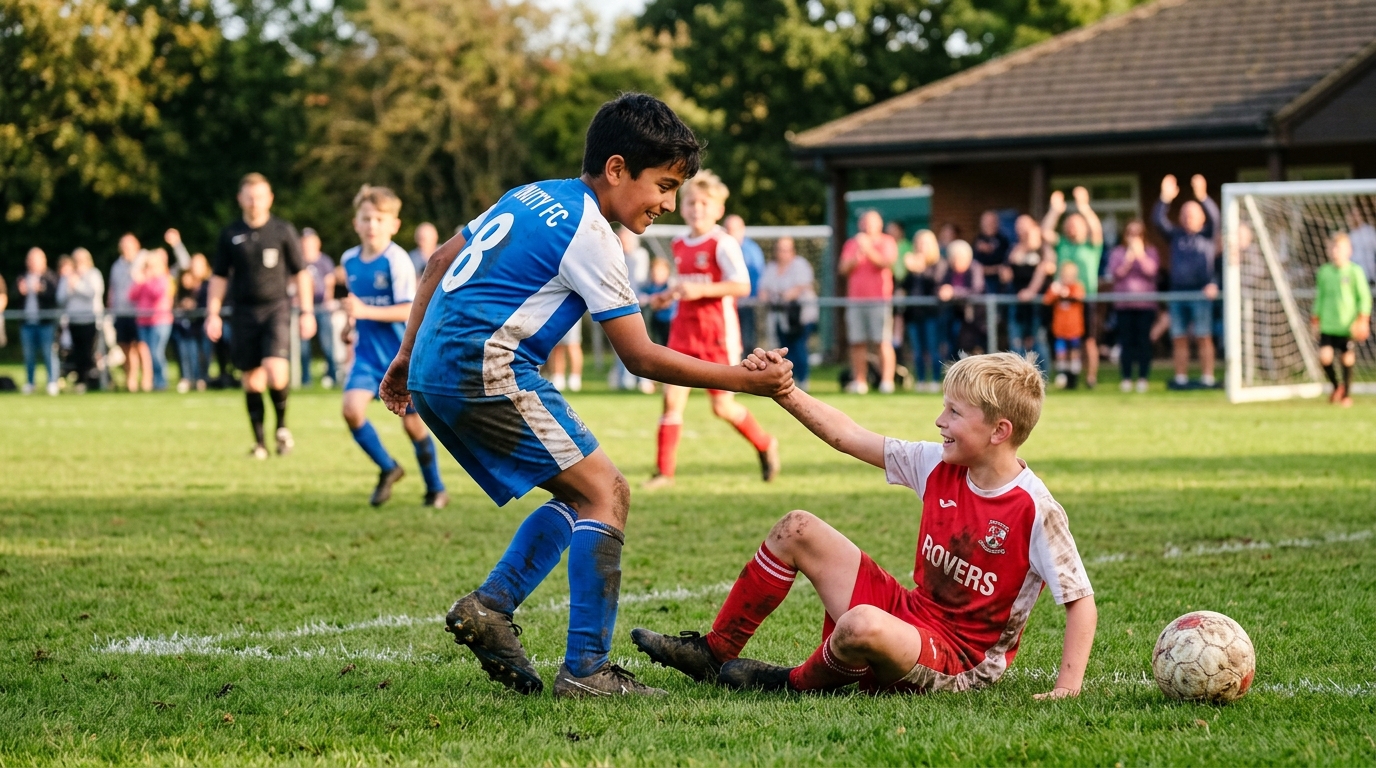
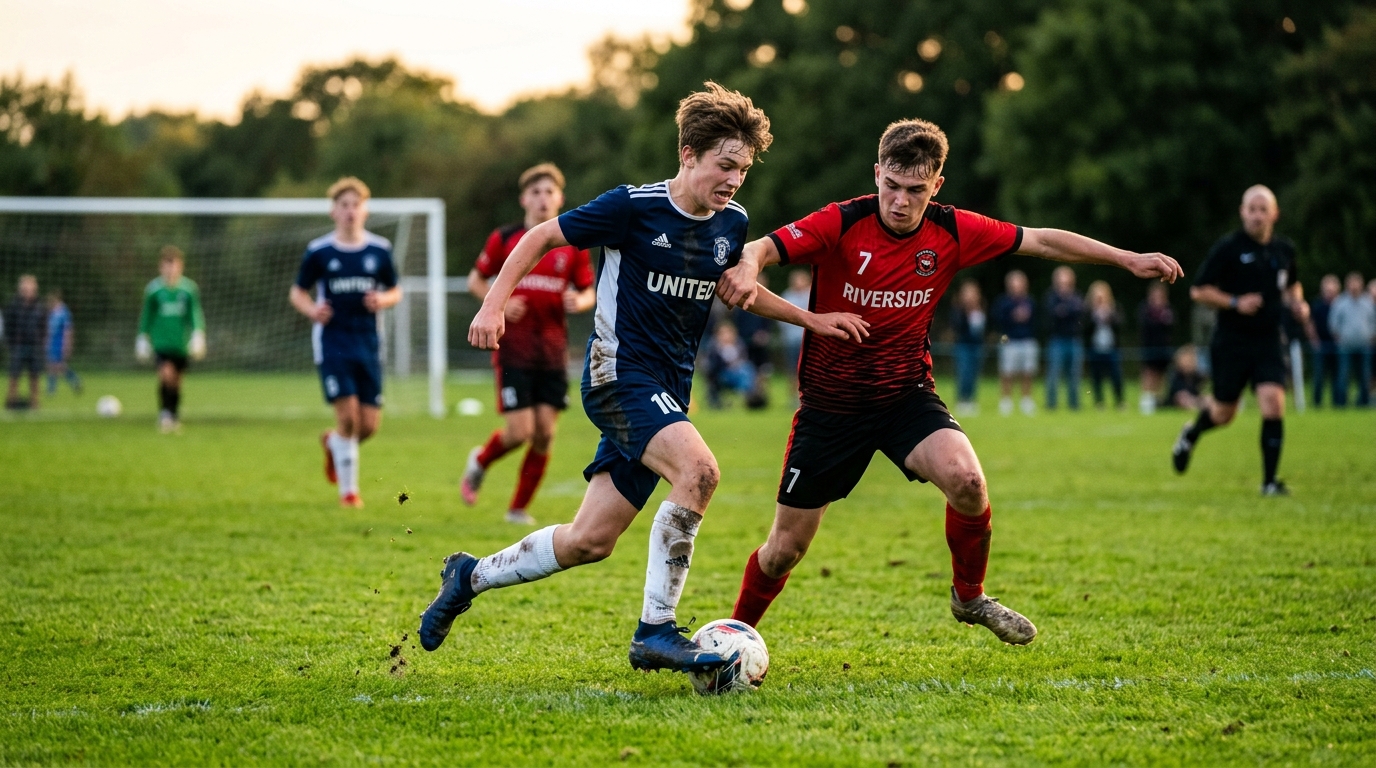
Respect also extends beyond teammates. Players have to learn to accept the referee's decisions, treat opponents fairly and recognise that everyone on the pitch deserves dignity. Winning a tackle does not give a player permission to humiliate an opponent, just as losing a match does not justify blaming the referee for everything that went wrong.
These lessons are particularly important when children encounter people whose opinions or abilities differ from their own. Football can help them understand that disagreement does not have to become hostility and that competition does not require disrespect. A good footballing environment should allow children to be competitive without teaching them to look down on others.
The Courage to Express Yourself
One of the things I want young players to develop is the confidence to express themselves. In football, this might mean attempting a difficult pass, taking on a defender or trying an unexpected solution when the obvious option is unavailable. These actions will not always succeed. Players will lose possession, misjudge situations and make mistakes.
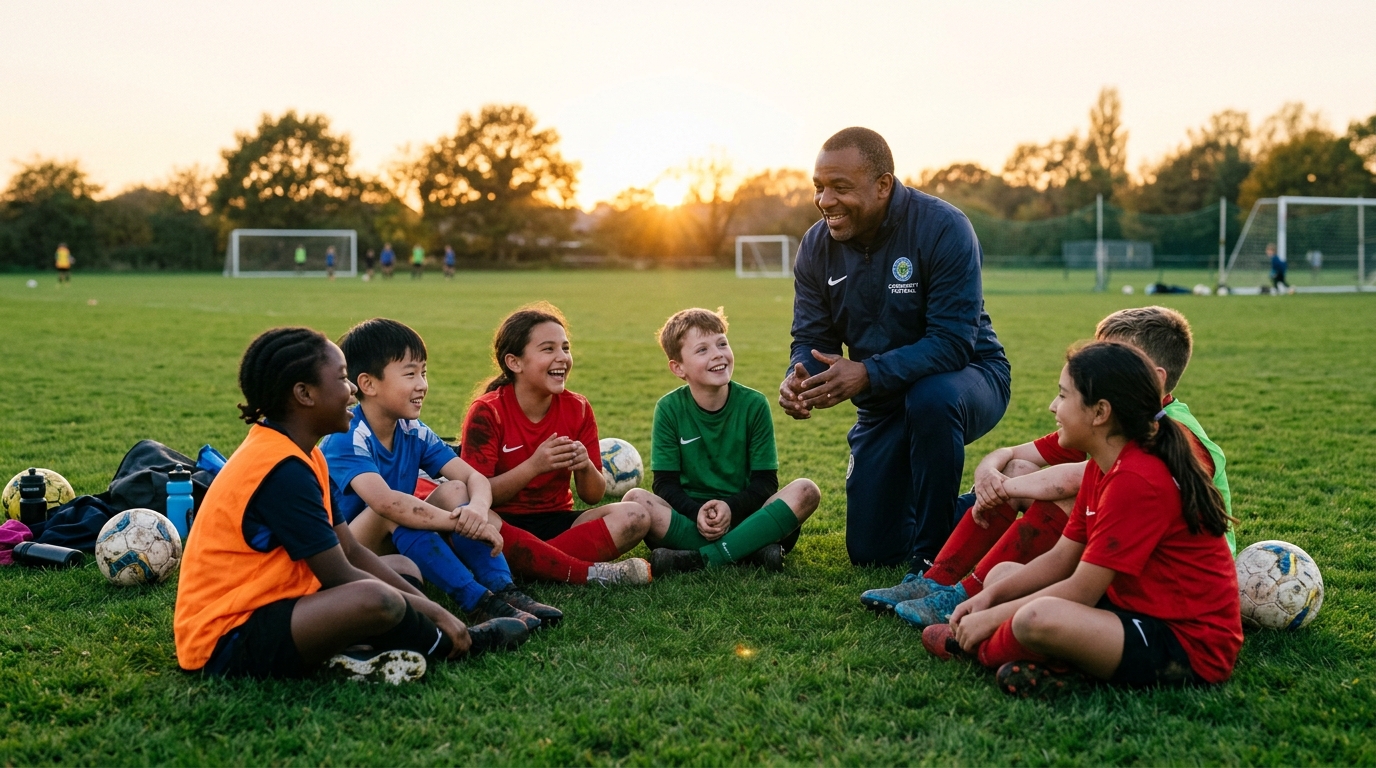
If every mistake is met with criticism, children may gradually become afraid of taking risks. They might choose the safest option every time, not because it is the best decision, but because they are worried about getting something wrong. Coaches have a responsibility to create an environment where players can experiment, ask questions and learn from their mistakes. We should encourage creativity rather than expect every child to follow instructions without thinking.
The ability to express oneself is not limited to football. Children who feel comfortable sharing ideas, asking questions and trying unfamiliar approaches can carry that confidence into other areas of life. We should want young people to become independent thinkers, not merely individuals who wait for someone else to tell them what to do.
“Coaches have a responsibility to create an environment where players can experiment, ask questions and learn from their mistakes. We should encourage creativity rather than expect every child to follow instructions without thinking.”
Winning, Losing and Learning to Begin Again
Perhaps one of football's most valuable lessons is how it teaches us to deal with outcomes we cannot always control. Every player will experience defeat. Some will miss penalties, make costly mistakes or sit on the bench when they want to play. Others will work hard and still find themselves on the losing side.
These moments can be difficult, particularly for children who are still learning to manage their emotions. Yet they offer opportunities to develop resilience, provided adults help them process the experience in a healthy way. Resilience does not mean pretending that disappointment does not hurt. It means accepting that something has gone wrong, understanding what can be learned from it and finding the courage to try again.
Winning has its own lessons. Players must learn to celebrate without humiliating their opponents, acknowledge the contributions of teammates and recognise that success rarely belongs to one individual alone. A child who can accept defeat with dignity and enjoy victory without arrogance has learned something that no trophy can teach on its own.
Responsibility, Discipline and Teamwork
Football is a team sport, and that makes it an excellent environment for learning responsibility. A player who repeatedly arrives late affects more than themselves. A teammate who refuses to track back leaves others to deal with the consequences. Someone who blames everyone else for their mistakes prevents the team from learning and improving together.
Players gradually begin to understand that their actions have consequences for other people. They learn that teamwork involves trust, communication and a willingness to contribute even when they are not the centre of attention.
Discipline is equally important, although it should not be confused with blind obedience. Good discipline means understanding commitments, respecting boundaries and making responsible choices even when nobody is watching. These qualities have value long after a player has stopped wearing their football boots.
Our Responsibility as Coaches
As coaches, it is easy to measure success through match results, tournament trophies and the number of players progressing to higher levels. These achievements matter, but they do not tell us the whole story. We should also ask what kind of people our players are becoming.
Have they become more responsible? Are they more willing to help their teammates? Can they accept criticism without taking it as a personal attack? Do they respect others, take ownership of their mistakes and continue working when things become difficult?
These questions deserve a place in our understanding of development.
The responsibility does not rest with coaches alone. Parents and clubs also influence the environment children experience. If adults constantly shout at referees, ridicule opponents or treat winning as the only acceptable outcome, children are likely to absorb those behaviours too. We cannot expect football to teach respect if the adults involved fail to demonstrate it. The values we want children to develop must be reflected in the way we organise, coach and experience the game.
The Legacy Beyond the Pitch
Years from now, most of the children in our grassroots batches will probably be doing something other than playing professional football. Some may continue playing recreationally, while others might eventually leave the game behind.
But I hope they carry something with them. I hope they remember how to work with people who are different from them, how to accept responsibility when they make mistakes and how to remain composed when things do not go their way. I hope they have the confidence to express their ideas, the creativity to find solutions and the humility to recognise that there is always more to learn. If football has helped them develop these qualities, then the time they spent on the pitch has been worthwhile.
“We should aspire to develop excellent footballers, but our responsibility does not end there. We are also helping shape the people they will become. And if a child never becomes a professional footballer but grows into a responsible, respectful, resilient and compassionate adult, I believe football has done something truly meaningful.”